
 The Forestry
Ethical Mass Production
How to feed the machine


The requirements of the modern world
Forestry is, ultimately, a method for the ethical production of wood and woodland products, and it would be foolish to say it is a selfless pursuit. Natural forests grow with time and little effort by the hands of us bipeds, but this process is slow and inefficient in the grand scheme of things. The time it takes to grow an all natural old growth tree is the same it takes a building to begin rotting, and the same house is unlikely, in the modern Redmont, to be replaced with a similarly sized structure. The same forest that supported one is suddenly burdened with double if not triple the harvest requirements, which is impossible at scale. This is where ethical mass production comes in hand, where replanting practices, biodiversity, and proper refertilization come in hand.
Replanting Density
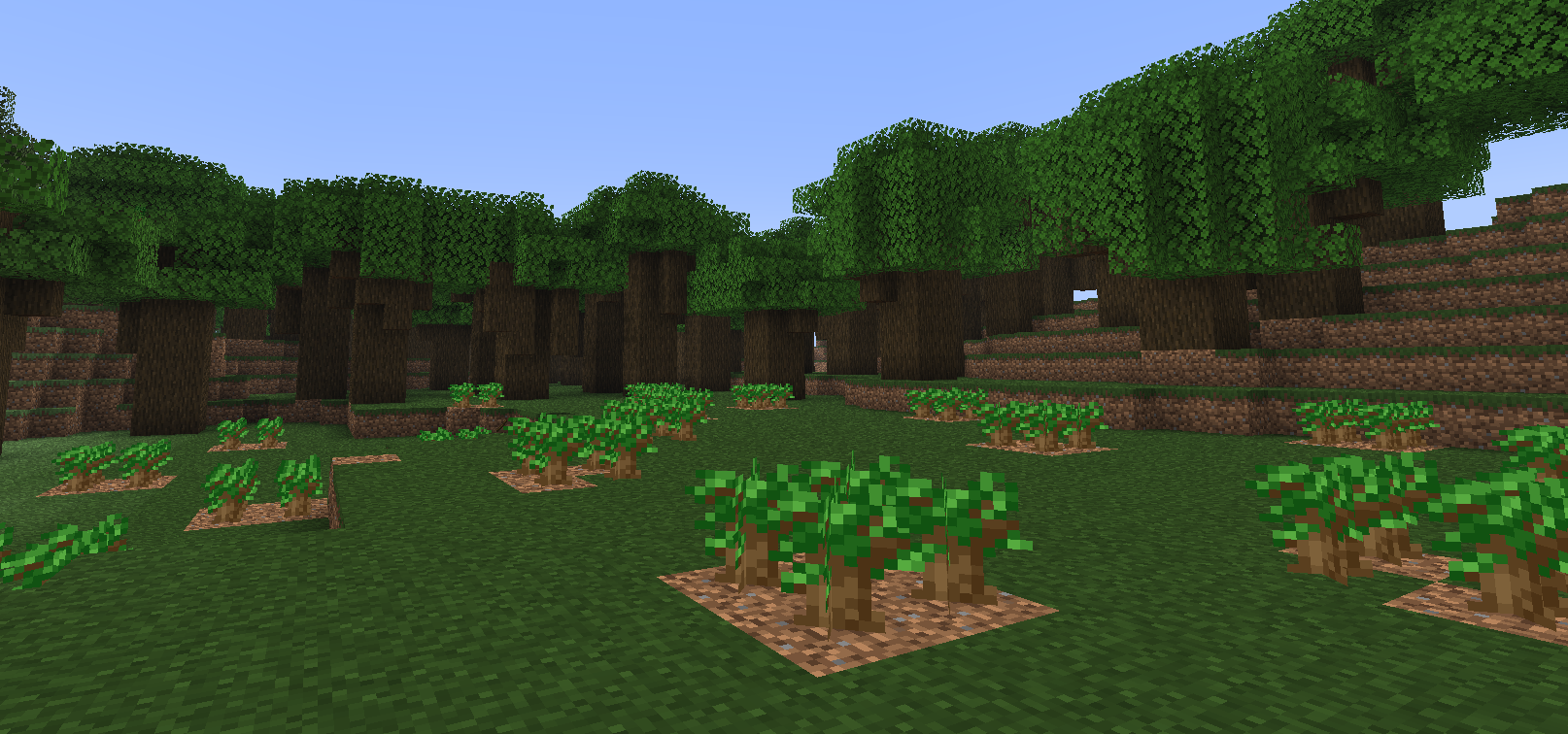
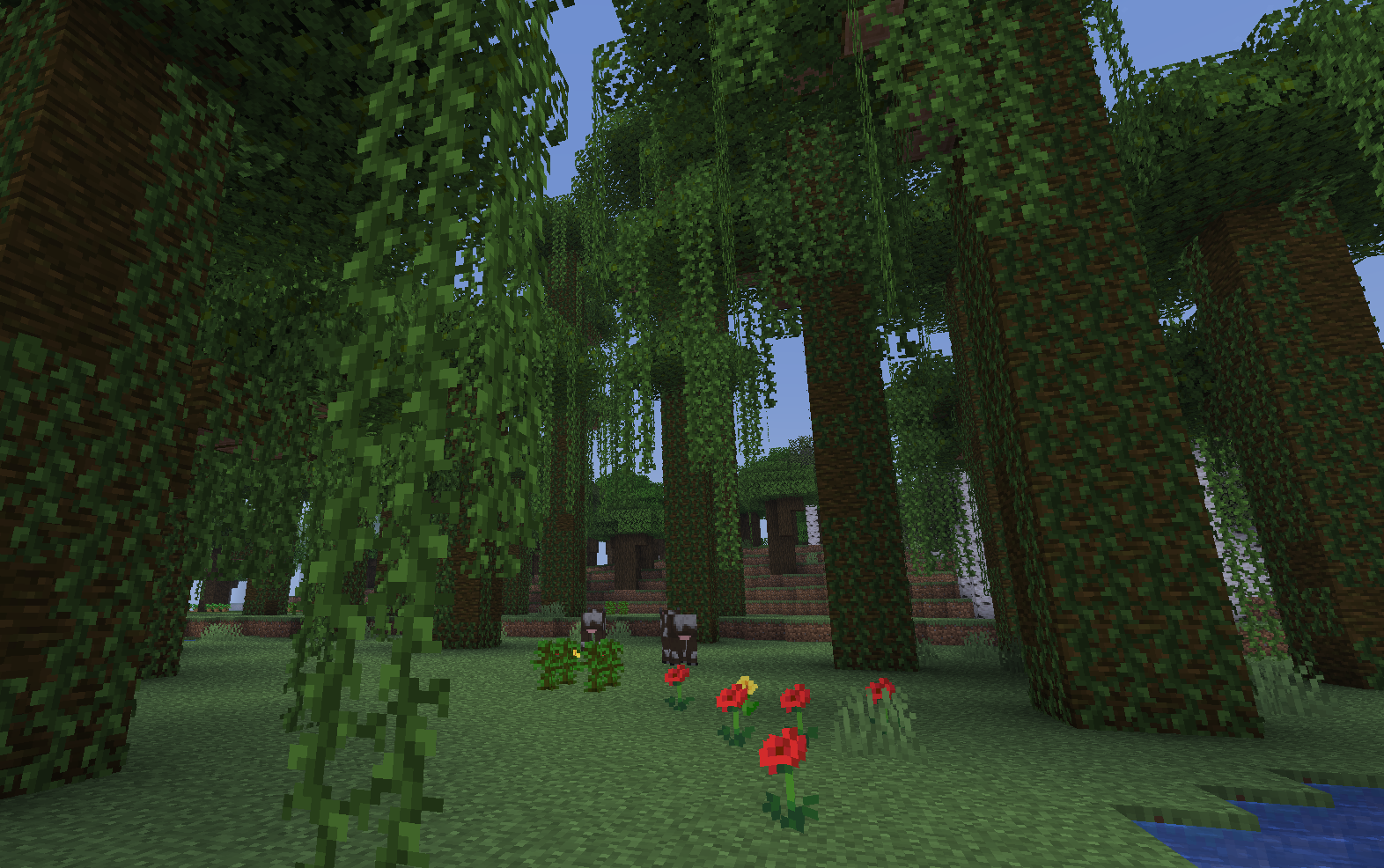
The market is hungry for cheap wood and this provides a perverse incentive to find woodlands and utterly devour them whole, which anyone who has been to the wilderness can confirm is an all too common occurrence. There is, luckily, an upside to this, which is that these shallow practices fundamentally don't work long term, and with proper planting this can be outcompeted by developing young old growth forests. The biggest factor here is replanting density, which varies by tree, but when rebuilding a forest one should aim to grow production by 3-10% after every harvest with most of that coming from planting densely. It is important to state, you should NOT do this in rows and the goal should be to provide a proper habitat for local fauna and it's unfortunate that many farms abuse the ability of some trees to grow in such conditions. The goal in proper forestry is simply to speed up the development of old growth and sustain its density
Biodiversity
While ideally each tree type would be best kept in its own indigenous region, the mass deforestation and market demands have made this impractical and more damaging to the long term survival of some species(especially jungle trees). As such, woodlands can develop density by employing a wide range of trees, which is particularly beneficial in areas of clear cutting that have lost much of their endemic fauna and flora. This is a win-win-win situation, a forest is restored, endangered species are given a place to regrow, and you get wood! Saplings properly sourced from forestry experts will be clean of any potential pathogens or invasive insects, so there is little need to worry about these, but please make sure you’re buying from a proper forestry company. It is also recommended to avoid cherry trees, as these tend to possess the following diseases that are not easily removed: Pseudomonas syringae, Apiosporina morbosa, and Agrobacterium tumefaciens, though it is a myth that saplings can contain leaf hopper insects since these are only found in more established trees(though avoid saplings used as bonsai just to be safe).
Refertilization
The final point we’d like to make is about the inevitable damage any type of forest harvesting causes, and how you can minimize it. Refertilization is a quick and easy method that is commonly abused by factory farms, it involves providing essential minerals to your forests in the form of ground up bones. Just like planting density, fertilizers are sometimes used to force the fast production of wood, but this lowers the tensile and compressive strength of the planks while also reducing the frequency of saplings and fruit. When a tree grows it naturally strips large amounts of minerals from its environment(which is why it's so important, it removes pollutants from the soil and carbon dioxide from the air, both caused by the industrial base of Redmont), but this process also consumes a variety of minerals that are not naturally replenished and become stripped from the soil, and thus we have bonemeal. There are a few ways to apply this to your forests, but we at The Forestry recommend implanting bone blocks at least 3 blocks under the surface to slowly release essential minerals, with a density of 1 bone block per 24 sources(saplings) in a square radius(planting density defines the range).
Final note
We apologize for the lack of posts, but are proud to announce we’ve secured an office and are in the process of moving all of our records and experience into a proper Redmont space! Keep your eyes out because we will be delving further into each of these individual topics, and are working on making a sister publication focused entirely on short stories like what can be seen in “are humans evil?”. This publication will continue to focus on our stated goals: To promote conservation, sustainable logging practices, and community driven initiatives!
More from The Forestry
View all in The Forestry →
Elsewhere on Gnomestack
Browse all posts → Free
Free Wax Wing News
BREAKING NEWS: PRESIDENT OF SENATE REMOVED FROM HIS SEAT
Accusations over leadership, transparency, and conduct have culminated in one of the Senate's more consequential political challenges in recent memory.
by Fr4gment3d ·
 5
5 1
1 0
0 Free
Free Juniper Blog
Transparency? Forgiveness?
A very incomplete "List of juniperfig staff policy breaches".
by juniperfig




0 comments
Sign in to comment.
No comments yet.